Custom dental crowns that protect and restore
Healthy, well-aligned teeth let you bite, chew and smile with confidence. When a tooth is badly decayed, chipped, cracked or weakened after a root canal, a filling alone may not be strong enough to hold it together. That’s when a dental crown is often the best solution.
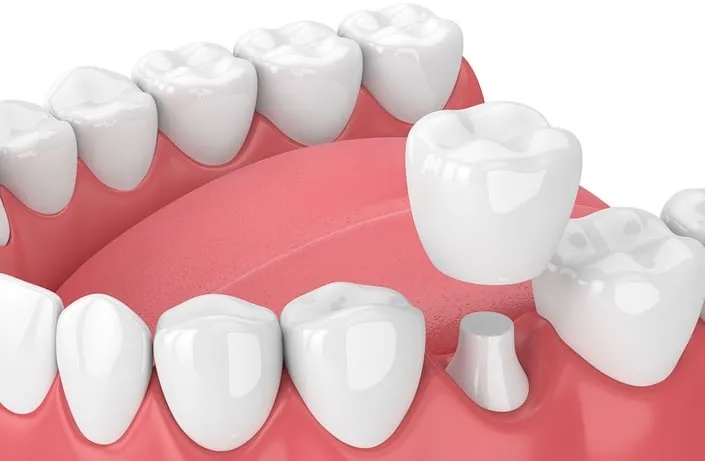
A crown is a custom, tooth-shaped cap that covers the entire visible portion of a tooth. It holds the remaining healthy structure together, shields it from further damage and restores a natural shape and color. At Chandler Creek Dental Care, our priority is to preserve as much of your natural tooth as possible — a crown lets us restore function and appearance without removing the tooth. It’s restorative care Round Rock patients can rely on from their dentist in Round Rock.
When do you need a dental crown?
A fractured or broken tooth
A crown holds a cracked or broken tooth together, preventing the crack from spreading and protecting it from further breakage.
Significant tooth decay
When decay has destroyed too much of a tooth for a filling to hold, a crown rebuilds and seals the remaining structure.
Large or failing fillings
Old, oversized or fractured fillings can leave the surrounding tooth fragile. A crown reinforces it for the long haul.
After a root canal
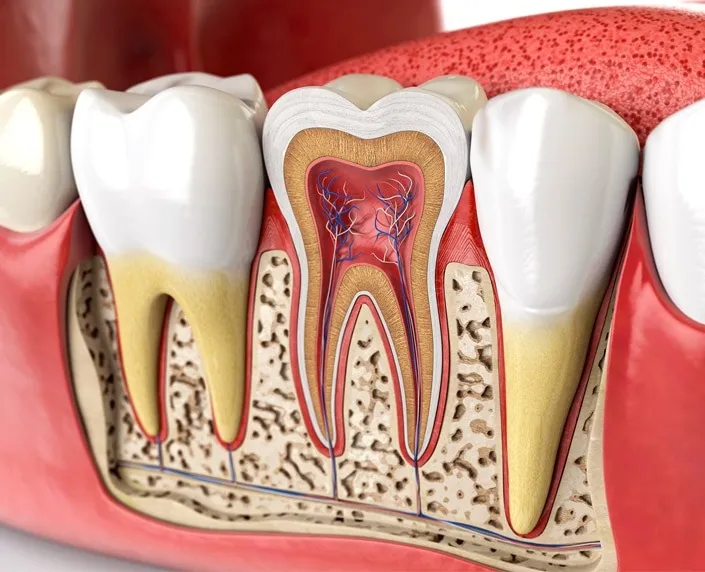
Teeth treated with root canal therapy — especially back teeth — usually need a crown to protect them from cracking.
Cosmetic improvements
Crowns can transform a misshapen, worn or badly discolored tooth as part of a cosmetic dentistry plan.
Bridges and implants
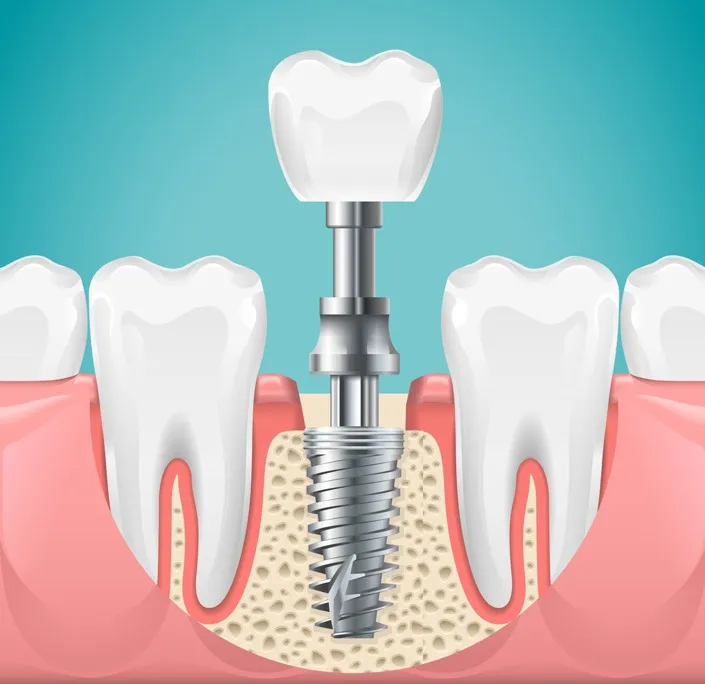
Crowns anchor dental bridges that replace missing teeth, and they form the visible tooth on top of a dental implant.
Benefits of restoring a tooth with a crown
A damaged tooth rarely gets better on its own. Cracks tend to deepen and decay keeps spreading, which can eventually lead to pain, infection or losing the tooth altogether. Restoring it with a crown at the right time offers several advantages:
- Saves your natural tooth — a crown often lets us restore a tooth that might otherwise need to be extracted.
- Restores strength — chew comfortably again without worrying that the tooth will break.
- Prevents further damage — full coverage seals and protects the remaining tooth structure.
- Looks natural — your crown is shaped and shaded to blend in with neighboring teeth.
- Long-lasting — we use high-quality materials chosen for durability and longevity.
The dental crown process, step by step
- 01
Consultation & exam
We examine the tooth with low-radiation digital X-rays and an intraoral camera, show you what we see, and confirm whether a crown is the best treatment option.
- 02
Preparing the tooth
After numbing the area, Dr. Kaur removes decay or damaged structure and gently shapes the tooth to make room for the new crown.
- 03
Digital impressions
Instead of messy putty molds, we capture precise 3D scans of your tooth and surrounding teeth with our Primescan intraoral scanner so your crown fits accurately and comfortably.
- 04
Temporary protection
A temporary crown protects your tooth while your permanent crown is custom-made to match the shape and shade of your smile.
- 05
Placing your permanent crown
We check the fit, bite and color, make any fine adjustments, then bond your crown securely in place.
Crown materials and options
There are several types of crown materials, from tooth-colored porcelain and ceramic options to stronger alloys, each with its own balance of appearance and strength. The right choice depends on where the tooth is in your mouth, how much force it takes when you chew, and your cosmetic goals. Dr. Kaur will explain the options suited to your tooth and help you choose with confidence.
Whatever you choose, our team works with high-quality materials selected for durability and a natural look. If you’re thinking about whitening, ask us first: crowns don’t change color with teeth whitening, so many patients whiten before we shade-match a new crown.
Caring for your new crown
A crown can’t decay, but the natural tooth underneath it still can, especially along the gumline. Brush twice a day, floss daily around the crown, and keep up with regular checkups and cleanings at our Round Rock office so we can monitor the fit. Some mild sensitivity for a few days after your crown is placed is normal and should settle quickly; if your bite feels high or uneven, a quick adjustment usually solves it. Avoid chewing ice or hard objects, and let us know if you grind your teeth, since grinding can wear down both crowns and natural teeth. If a crown ever feels loose, cracks or comes off, call us promptly.
Dental crown cost and insurance in Round Rock
Crowns are commonly considered a restorative procedure, so dental insurance often covers part of the cost. We’re in-network with Delta Dental, MetLife, Cigna, Aetna and UnitedHealthcare, and we’ll review your benefits and give you a clear estimate before treatment.
For any remaining balance, we offer financing through CareCredit, Sunbit, Alphaeon, Proceed Finance and Cherry, plus an in-house membership plan for patients without insurance. Learn more about our dental insurance and payment options.
Benefits of dental crowns at Chandler Creek Dental Care
- Saves natural teeth that might otherwise be lost
- Primescan digital impressions — no putty molds
- Natural-looking crowns shaded to match your smile
- High-quality materials chosen for durability
- Root canal and crown care under one Round Rock roof
- Insurance help, financing and an in-house membership plan
Why choose our Round Rock dentists for dental crowns?
Patients across Round Rock, Teravista, Forest Creek, Georgetown and Hutto choose Chandler Creek Dental Care because three experienced doctors work side by side under one roof — so implants, extractions, root canals and everyday dentistry stay with one team you know. We offer oral and IV sedation for anxious patients, Saturday appointments on the 2nd and 4th Saturday of each month, and a 4.9-star Google rating from 236 patients. Learn why families call us their trusted dentist in Round Rock, TX, or meet our doctors.