Dental Implants
Why Fall Is a Smart Time for Dental Implants in Round Rock
Thinking about dental implants in Round Rock? Learn why fall is a smart time to start, the typical implant steps and timeline, and what to expect first.

By Dr. Jake H. Duong, DDS
· 6 min read
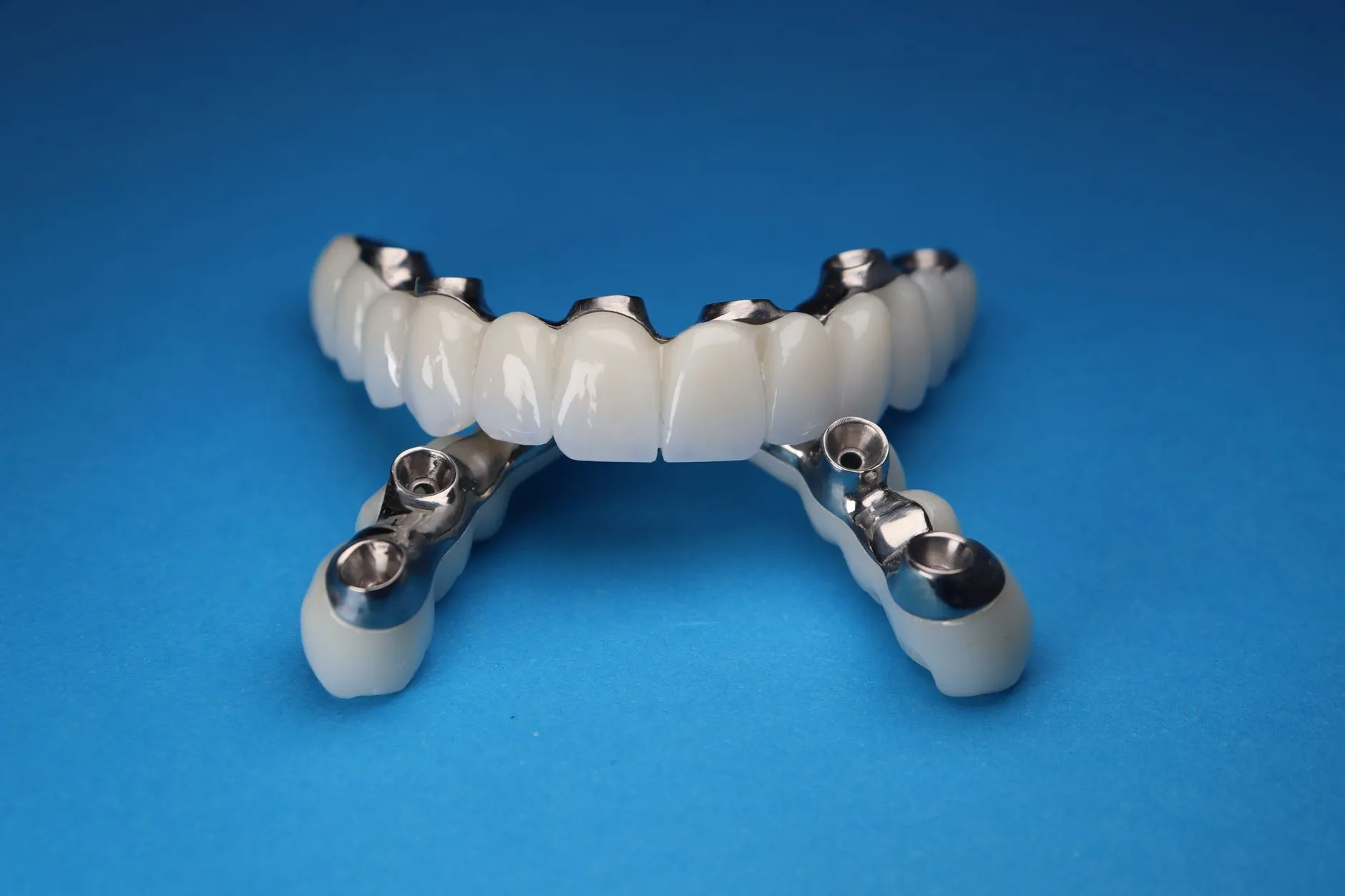
Photo: Zeynep Kahraman / Pexels
Fall is a smart time to start dental implants in Round Rock. Beginning in October lets you get through the first days of recovery well before holiday gatherings, and it helps you plan around year-end schedules and benefits. Implants happen in stages over several months, so taking the first step now keeps your new smile on track.
If a missing tooth has you avoiding certain foods or hiding your smile in photos, you’re not alone. Many people who start researching dental implants Round Rock offices provide tell us they’ve put it off for a while and want to take care of it before the busy season arrives. At Chandler Creek Dental Care, we place implants in-house and welcome patients from Round Rock, Teravista, Forest Creek, Hutto and beyond. Here’s why autumn works so well, and what the implant process actually looks like from start to finish.
Why October Is a Good Month to Start Implant Treatment
Life in Round Rock tends to settle into a rhythm by October. School routines are set, the summer heat has eased, and the holidays aren’t quite here yet. That makes it a practical window for a procedure that benefits from a little planning.
- Time to recover before the holidays. Initial tenderness after implant placement typically eases within a few days. Starting now means that phase is behind you before Thanksgiving dinner and December get-togethers.
- Easier scheduling. Fall calendars are often more predictable than summer travel season or the holiday rush, so it’s simpler to fit in a consultation and follow-up visits.
- Year-end planning. If you have dental insurance, now is a good time to review what your plan covers before it resets. If you don’t, you have time to explore payment options before the new year.
- Comfort-food season. Soups, mashed potatoes and other soft foods you’ll want during early healing feel right at home on a cool fall evening.
What a Dental Implant Is, in Plain Language
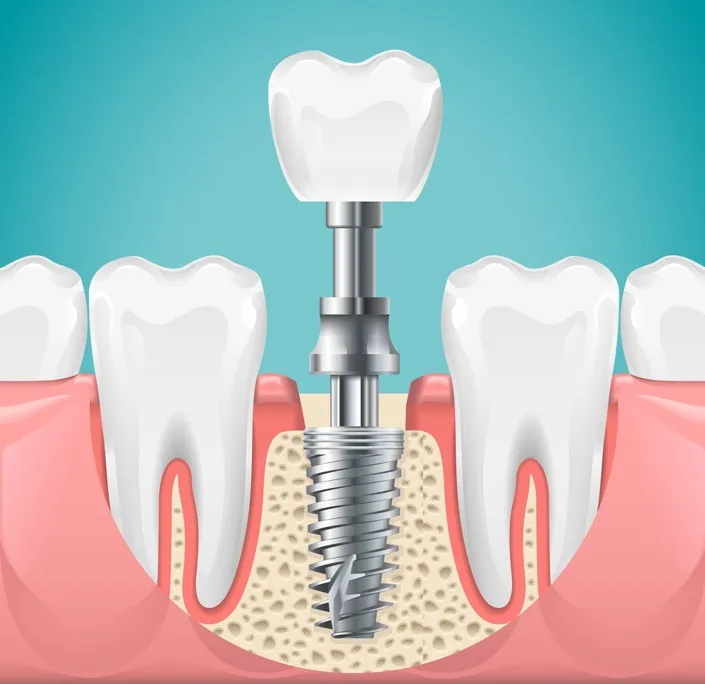
A dental implant replaces the whole tooth, not just the part you see. It has three parts:
- The implant post: a small post placed in the jawbone that acts like a tooth root.
- The abutment: a connector that attaches to the post and holds the replacement tooth.
- The crown: the custom-made tooth on top, shaped and shaded to blend in with your smile.
Because the post bonds with your jawbone, an implant is stable and doesn’t rely on neighboring teeth for support. Implants can replace a single tooth or, in some cases, support a full arch. You can learn more on our dental implants page.
The Typical Steps of the Implant Process
Every mouth is different, so your exact plan will depend on your exam. Here’s how treatment generally unfolds.
Step 1: Consultation and 3D imaging
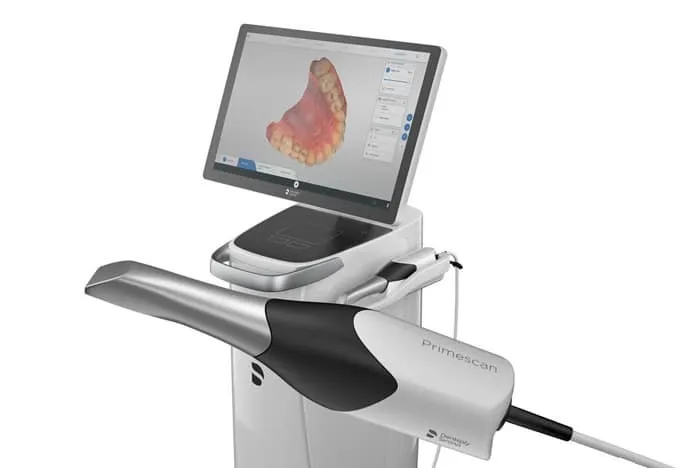
Your first visit is about gathering information. We’ll talk about your goals, review your health history and take detailed images. Our office uses CBCT 3D imaging and digital X-rays, which let us see the bone and nearby structures before planning anything. You can read about these tools on our dental technology page.
Step 2: Preparing the site, if needed
Some patients need a damaged tooth removed first, and some need extra support for the bone before an implant can be placed. Others are ready to move straight to placement. Your dentist will explain which path fits your situation and why.
Step 3: Placing the implant
Dr. Jake H. Duong, whose work focuses on extractions, implants and IV sedation, places implants right here in our office. The area is numbed so you’re comfortable, and IV sedation is available for patients who feel nervous about dental work. You’ll head home with clear aftercare instructions.
Step 4: Healing and integration
This is the longest stage. Over a period of months, the bone gradually bonds with the implant post, which is what gives an implant its strength. During this time you’ll keep the area clean, chew on the other side as directed and come in for check-ins so we can monitor healing. In some cases a temporary tooth may be an option while you heal; we’ll let you know if that’s right for you.
Step 5: The abutment and final crown
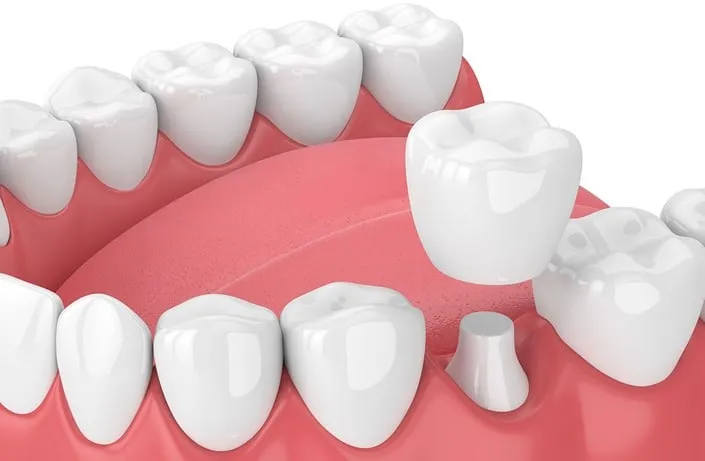
Once healing is complete, the abutment is attached and your custom crown is placed. To see how we approach natural-looking restorations, visit our dental crowns page.
What a Fall Start Could Look Like
To give you a sense of the pacing, a straightforward case that begins this month might look something like this:
- October: Consultation, 3D imaging and, if you’re ready, implant placement.
- November through the holidays: Healing happens quietly in the background while you go about life, including holiday meals enjoyed with a little care.
- After the new year: Return for your abutment and final crown once your dentist confirms the area has healed.
Cases that need an extraction or bone support first will take longer, and your timeline may differ. The key point is simple: the sooner you start, the sooner healing time is working for you. Starting in fall means the slow part of the process happens during a season when many of us are home more anyway.
Tips for a Comfortable Recovery Before the Holidays
Your care team will give you instructions specific to your procedure. In general, these habits help:
- Stick with soft, lukewarm foods for the first few days.
- Chew on the opposite side until your dentist says otherwise.
- Keep the area clean as directed, being gentle around the site.
- Avoid smoking and tobacco, which can interfere with healing.
- Go easy on hard, crunchy or sticky treats. That includes the Halloween candy bowl and pecan-topped desserts later in the season.
- Keep every follow-up appointment so we can check your progress.
If anything feels off, such as discomfort that gets worse instead of better, call us so we can take a look.
Making Implants Work for Your Budget
Cost is a common question, and we’re happy to walk through options with you. We’re in network with Delta Dental, MetLife, Cigna, Aetna and UnitedHealthcare, and our team can help you understand how your plan applies. See our dental insurance page for details.
Don’t have insurance? We offer a free dental implant consultation to find out if you’re a good candidate. This offer is for patients without dental insurance and can’t be combined with other offers. We also offer a membership plan, plus financing through CareCredit, Sunbit, Alphaeon Credit, Proceed Finance and Cherry.
Schedule Your Implant Consultation in Round Rock
Ready to replace a missing tooth and get the process moving before the year wraps up? As a dentist in Round Rock serving Georgetown, Pflugerville, Cedar Park, Mesa Park and nearby communities, Chandler Creek Dental Care makes it easy to get started.
Book online through our website or call (512) 609-0066. You’ll find us at 2200 N A W Grimes Blvd, Suite 100. Our hours are Monday through Friday, 8:30 am to 3:30 pm, and the 2nd and 4th Saturday of each month from 8:30 am to 2:00 pm. We’re closed Sundays.
An exam is the best way to get advice tailored to your smile, so reach out today and let’s plan your path to a complete, confident smile.
About the author
Dr. Jake H. Duong, DDS
Extractions, Implants & IV Sedation at Chandler Creek Dental Care, a dentist in Round Rock, TX. Bachelor’s degree and dental degree — The University of Alabama at Birmingham (UAB).