Preventive Care
Thanksgiving Grazing Tips From a Round Rock Dental Office
All-day Thanksgiving snacking keeps teeth under acid attack. A Round Rock dental office shares simple grazing habits to protect your smile this holiday.

By Dr. Ravneet Kaur, DMD, BDS
· 6 min read
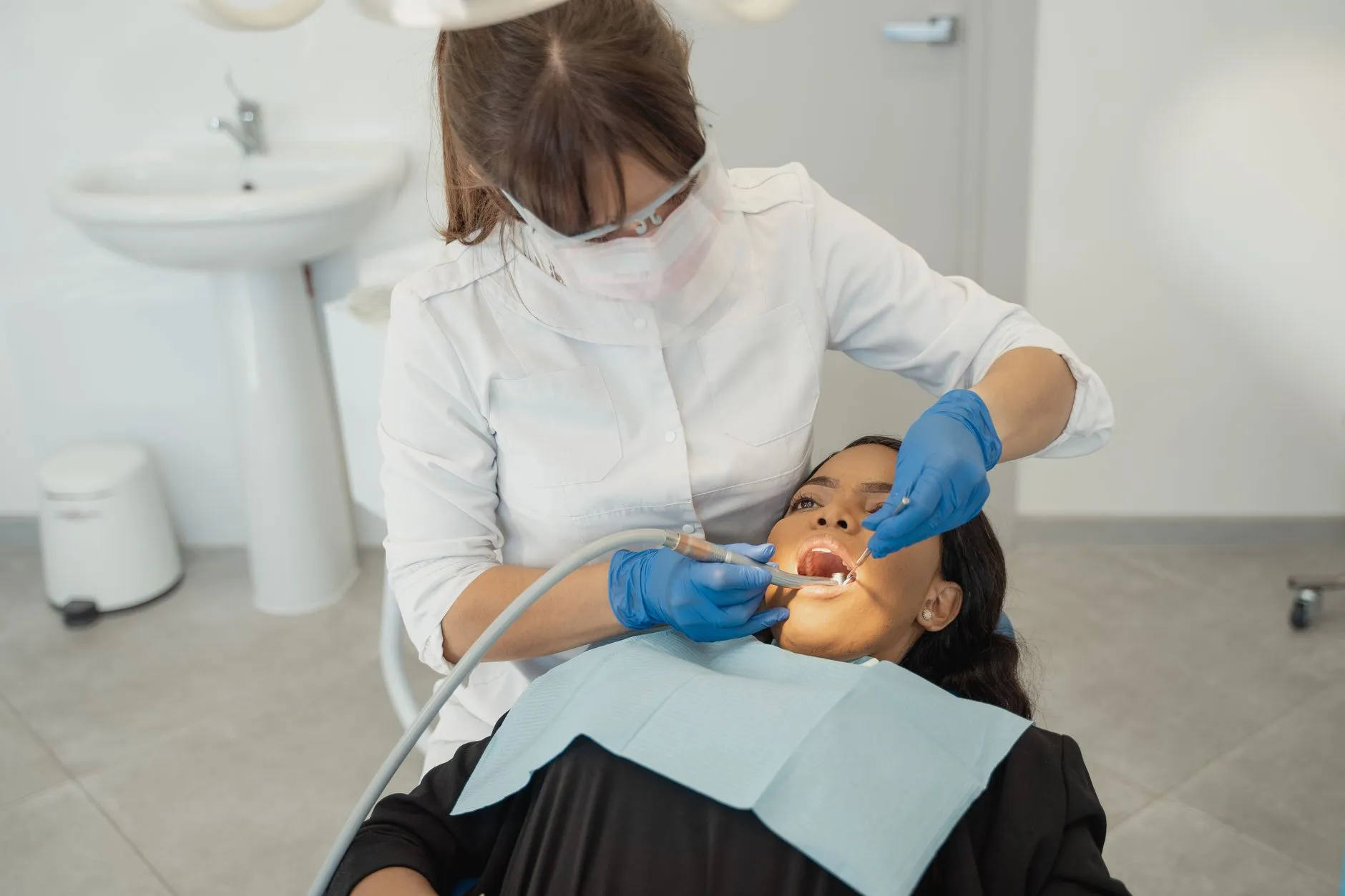
Photo: Tima Miroshnichenko / Pexels
All-day Thanksgiving grazing keeps your teeth under repeated acid attack for hours. Simple habits like sipping water, grouping snacks into set times and waiting before you brush after acidic foods can help, and our Round Rock dental office is here to show you how.
Thanksgiving in Round Rock rarely means one tidy meal. Relatives drive in from Georgetown, Hutto or Pflugerville. Someone sets out a cheese board before noon. The pie comes out during the late football game, and leftovers start making the rounds by evening.
All that togetherness is wonderful. But from your teeth’s point of view, a day of nonstop nibbling is very different from sitting down to one big meal. Here’s why, and what you can do about it without skipping a single favorite dish.
Why All-Day Grazing Is Tough on Teeth
What happens after each bite
Your mouth is home to bacteria that feed on sugars and starches. That includes the obvious treats like pecan pie and candied yams. It also includes rolls, stuffing, crackers and mashed potatoes. As the bacteria break down those foods, they produce acids.
Those acids can soften the outer layer of your teeth, called enamel. Enamel is the hard, protective shell that guards the more sensitive layers underneath.
Why frequency matters
The good news is that your body has a built-in defense: saliva. After you eat, saliva gradually washes away food particles and helps neutralize acids, giving enamel a chance to recover.
The problem with grazing is timing. When you snack every little while, saliva never gets a real break to finish its job. Your teeth spend much of the day in an acidic environment instead of bouncing back between meals. Over time, that pattern can contribute to weakened enamel and cavities.
In other words, how often you eat can matter as much as what you eat.
Smart Grazing Habits for Thanksgiving Day
You don’t need to skip the appetizers or turn down dessert. A few small adjustments can give your smile some breathing room.
Keep water within reach
Water is one of the easiest tools you have. A few sips after snacking helps rinse away sugars and food bits and supports your natural saliva flow.
- Keep a refillable glass or bottle near you all day
- Swish a little water around your mouth after sweets or starchy snacks
- Alternate sodas, cider or sweet tea with plain water
Even in November, an afternoon in the backyard or a walk around the neighborhood in Teravista or Forest Creek can leave you thirsty, so water does double duty.
Create snack windows instead of a nonstop buffet
Rather than picking at the snack table every few minutes, try grouping your nibbling into a few defined windows. For example:
- A late-morning appetizer break
- The main meal
- Dessert together later in the afternoon or evening
In between, let your mouth rest. This gives saliva time to do its work, and many people find they enjoy each course more when they come to it a little hungry.
Pair sweets with meals
If you’re going to enjoy pie, cookies or candy, having them right after the main meal is usually easier on your teeth than nibbling them separately throughout the day. You’re already producing more saliva while eating, which helps clear things away.
Choose tooth-friendlier nibbles
When you do want something between meals, some choices are kinder to teeth than others:
- Cheese: a classic snack-board option that’s low in sugar
- Crunchy vegetables: celery, carrots and cucumber slices need lots of chewing, which encourages saliva
- Plain nuts: a good choice for many people, though be careful with hard shells and very sticky candied versions
- Turkey and other proteins: satisfying without lingering sugars
Sticky, slow-dissolving treats like caramels and hard candies tend to cling to teeth the longest, so save those for dessert time if you have them at all.
Wait Before You Brush After Acidic Foods
It’s natural to want to brush right after a big meal, especially before photos or heading out to visit more family. But if you’ve just had acidic foods or drinks, brushing immediately isn’t always the best move.
Cranberry sauce, citrus, wine, soda and many sweet treats can leave enamel temporarily softened. Scrubbing right away may wear on that softened surface. Many dentists suggest waiting about 30 minutes to an hour before brushing after acidic foods.
While you wait, you can:
- Rinse your mouth with water
- Chew sugar-free gum to boost saliva
- Finish with a bite of cheese or a few crunchy vegetables
Then brush gently with a soft-bristled toothbrush and fluoride toothpaste. Don’t forget to floss before bed. Holiday foods love to hide between teeth, and a long day of grazing leaves plenty behind.
Hosting Tips for a Tooth-Friendly Spread
If you’re the one hosting this year, a little planning can make it easier for everyone to protect their smiles, from grandkids to grandparents.
- Set out a water station with a pitcher and cups so it’s as easy to grab as anything else
- Plan a veggie and cheese board alongside the sweeter appetizers
- Serve dessert at a set time instead of leaving pies on the counter all day
- Put snacks away between courses so grazing naturally slows down
- Keep spare toothbrushes and floss in the guest bathroom for overnight visitors
These small steps don’t take any fun out of the day. They just give everyone’s teeth a few more breaks.
When to Schedule a Checkup
No amount of careful snacking replaces regular professional care. A routine dental exam and cleaning removes buildup that brushing and flossing at home can miss and lets your dentist spot early signs of trouble.
If you notice any of these after the holiday, it’s a good idea to book a visit:
- New sensitivity to sweets, hot or cold
- A rough spot, chip or dark area on a tooth
- Food repeatedly catching in the same place
- Discomfort when chewing
These symptoms can have many causes, and only an exam can tell you what’s going on. Catching a small cavity early often means a simple repair with tooth-colored dental fillings rather than more involved treatment later.
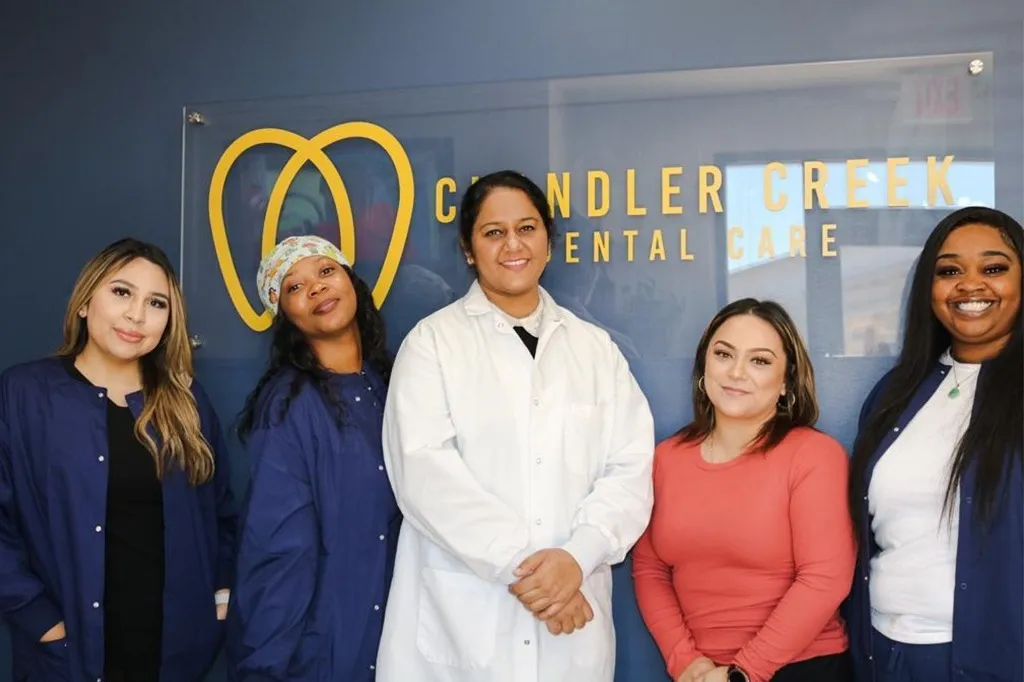
Our general dentistry team, including Dr. Ravneet Kaur, provides checkups, cleanings, fillings and everyday care for patients across Round Rock, Mesa Park, Cedar Park and the surrounding area. If you’ve been looking for a friendly dentist in Round Rock, we’d love to meet you.
We’re in network with Delta Dental, MetLife, Cigna, Aetna and UnitedHealthcare, and we also offer a membership plan and financing options. If you don’t have dental insurance, ask about our $99 New Patient Special. Offers are for patients without dental insurance and can’t be combined with other offers. You can learn more on our new patients page.
Book Your Visit With Chandler Creek Dental Care
Enjoy every bite this Thanksgiving, then let us help keep your smile in great shape heading into the new year. You can request an appointment online through our website or call us at (512) 609-0066.
We’re open Monday through Friday from 8:30 am to 3:30 pm, and on the 2nd and 4th Saturday of each month from 8:30 am to 2:00 pm. We’re closed on Sundays. You’ll find us at 2200 N A W Grimes Blvd, Suite 100, Round Rock, TX 78665. Visit our contact page for directions and details.
About the author
Dr. Ravneet Kaur, DMD, BDS
General, Restorative & Cosmetic Dentist at Chandler Creek Dental Care, a dentist in Round Rock, TX. Doctor of Dental Medicine (DMD) — University of Illinois at Chicago College of Dentistry.