Restorative Dentistry
Small Cavity Now, Bigger Fix Later: Fillings in Round Rock
Ignoring a small cavity can lead to a crown or root canal. Learn how dental fillings in Round Rock fix decay early—and why fall is a smart time to book.

By Dr. Ravneet Kaur, DMD, BDS
· 6 min read

Photo: Andrea Piacquadio / Pexels
A small cavity rarely stays small. Treating it early with a simple filling at a Round Rock dental office is usually quicker, more comfortable and less costly than waiting until it needs a crown or root canal.
If you were told about a “spot to watch” at your last checkup, or you’ve noticed a twinge when you sip something cold, fall is a great time to see a dentist in Round Rock and take care of it. Before the holiday calendar fills up, here’s how cavities grow, what a filling involves and why acting now can save you a bigger fix later.
How a Small Cavity Turns Into a Bigger Problem
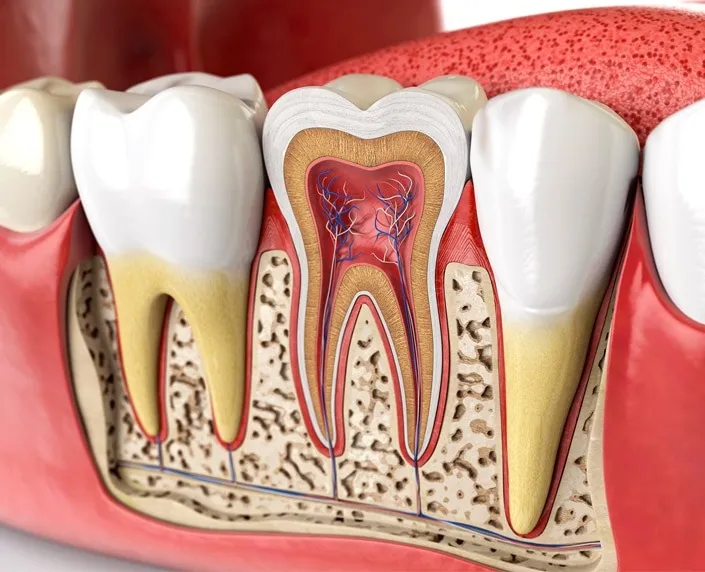
A cavity is an area of tooth that’s been softened and broken down by acids from bacteria in plaque. Those bacteria feed on sugars and starches, so every snack and sweet drink gives them fuel. Decay usually moves inward in stages.
Stage 1: The enamel
Enamel is the hard, protective outer layer of your tooth. Early decay here often causes no pain at all. At this point, the damaged area is typically small, and a filling can repair it while keeping most of your natural tooth.
Stage 2: The dentin
Under the enamel is dentin, a softer layer that decay can move through more easily. This is when many people start to notice sensitivity to cold, heat or sweets. A filling is often still the fix, though it may need to be larger.
Stage 3: The pulp
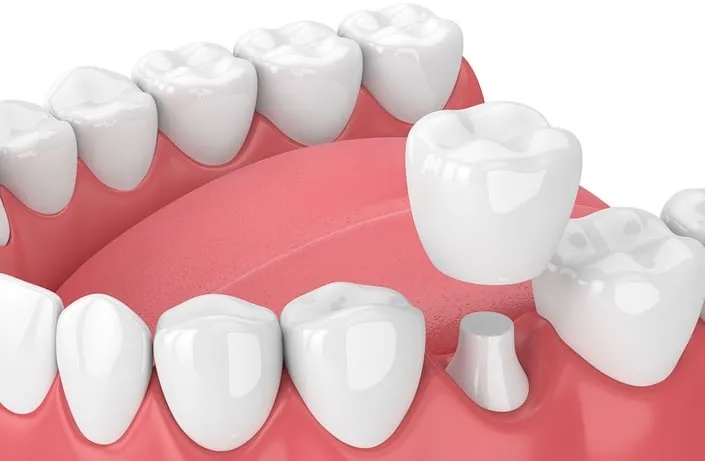
The pulp is the inner part of the tooth that holds nerves and blood vessels. If decay reaches it, the tooth can become painful or infected. At this stage, a filling usually isn’t enough, and treatment may involve a root canal and often a crown to protect the tooth afterward.
How fast this happens varies from person to person and tooth to tooth, which is why a professional exam matters. Only an in-person visit can show where a particular cavity stands.
Signs You Might Have a Cavity (and Why You Might Not Notice)
The tricky part about early cavities is that they’re often silent. By the time something hurts, the decay may have already moved deeper. Still, it’s worth paying attention to:
- Sensitivity to cold drinks, hot coffee or sweets
- A dark spot, stain or rough area on a tooth
- Food that keeps catching in the same place
- A small hole or pit you can feel with your tongue
- Discomfort when you bite down
Any of these is a good reason to schedule a visit, but none of them can tell you on its own what’s going on. That’s why regular dental exams and cleanings are so helpful: they give your dentist a chance to spot changes before you feel them. At Chandler Creek Dental Care, we use digital X-rays and intraoral cameras so you can actually see what we see on screen.
What Getting a Filling Is Like
For many patients, the idea of a filling is more stressful than the appointment itself. Here’s what typically happens:
- Numbing: The area is numbed so you stay comfortable.
- Removing decay: The softened, damaged part of the tooth is gently cleaned away.
- Filling the space: The tooth is rebuilt with a natural-looking filling material shaped to fit your bite.
- Checking your bite: We make sure everything feels smooth and comfortable when you close.
Most people head back to work, school pickup or errands afterward. Your lip or cheek may feel numb for a little while, so it’s smart to wait to eat until the feeling returns.
If you’ve been searching for dental fillings Round Rock patients can feel good about, our Dental Fillings page explains more about how we repair cavities and restore strength.
Filling, Crown or Root Canal: Why Timing Matters
Think of a cavity like a small chip in a windshield. Fix it early and it’s a quick repair. Wait, and it can spread until the whole piece needs bigger work.
Here’s roughly how treatment can change as decay progresses:
- Small cavity: A filling repairs the tooth and preserves most of its natural structure.
- Large cavity or weakened tooth: When too much tooth is lost to hold a filling well, a dental crown may be recommended to cover and protect it.
- Decay reaching the pulp: Root canal treatment may be needed to remove infected tissue and save the tooth, often followed by a crown.
The good news is that if a tooth does need more care, you don’t have to go somewhere new. Dr. Ravneet Kaur provides general, restorative and cosmetic care, including fillings and crowns, and Dr. Faiza Ali is our in-house endodontist (root canal specialist). Still, the simplest path is usually catching things early, when a filling is all it takes.
Why Fall Is a Good Time to Take Care of It
October in Round Rock tends to be a busy stretch. School routines are settled, weekends fill with fall activities, and before long Thanksgiving and December plans take over. That makes right now a practical window for dental care.
- Beat the year-end rush: Many people try to squeeze in appointments in late November and December. Booking now usually means more scheduling flexibility.
- Avoid holiday toothaches: A tooth that’s mildly sensitive today could become more uncomfortable later, and nobody wants that during a family gathering or a trip out of town.
- Use what you have: If you have dental insurance, it’s worth checking what your plan covers this year. We’re in-network with Delta Dental, MetLife, Cigna, Aetna and UnitedHealthcare, and you can learn more on our dental insurance page.
- Halloween is coming: Extra candy in the house means extra fuel for cavity-causing bacteria. Repairing a small cavity beforehand is a smart move.
Whether you live near Teravista, Forest Creek or Mesa Park, or drive in from Georgetown, Hutto, Pflugerville or Cedar Park, our office on N A W Grimes Blvd is an easy stop on a weekday or select Saturday.
Protecting Your Fillings and the Rest of Your Teeth
Once a cavity is repaired, a few everyday habits help keep your smile healthy:
- Brush twice a day with fluoride toothpaste and clean between teeth daily.
- Sip water through the day, especially between sweet drinks or snacks.
- Limit constant grazing on sugary foods, since frequent snacking keeps acids active.
- Keep up with regular checkups so small changes are spotted early.
- Let us know if a filling ever feels rough, high or sensitive.
Everyone’s mouth is different, so your dentist can give you personal advice at your exam.
Book Your Visit With Chandler Creek Dental Care
If you think you may have a cavity, or you’ve been putting off a filling, now is a great time to get it handled before the holidays. You can book online through our website or call us at (512) 609-0066.
Our hours are Monday through Friday, 8:30 am to 3:30 pm, and the 2nd and 4th Saturday of each month, 8:30 am to 2:00 pm. We’re closed on Sundays. See our weekend dentist page for more on Saturday visits.
New to our practice and don’t have dental insurance? Ask about our $99 New Patient Special. This offer is for patients without dental insurance and can’t be combined with other offers. We also offer a membership plan and financing through CareCredit, Sunbit, Alphaeon Credit, Proceed Finance and Cherry. Visit our new patients page to get started.
About the author
Dr. Ravneet Kaur, DMD, BDS
General, Restorative & Cosmetic Dentist at Chandler Creek Dental Care, a dentist in Round Rock, TX. Doctor of Dental Medicine (DMD) — University of Illinois at Chicago College of Dentistry.