Preventive Care
Low-Dose Digital X-Rays Explained for Round Rock Patients
Curious about dental technology in Round Rock? See how low-dose digital X-rays work, use less radiation than film, and catch hidden problems early.

By Dr. Jake H. Duong, DDS
· 6 min read
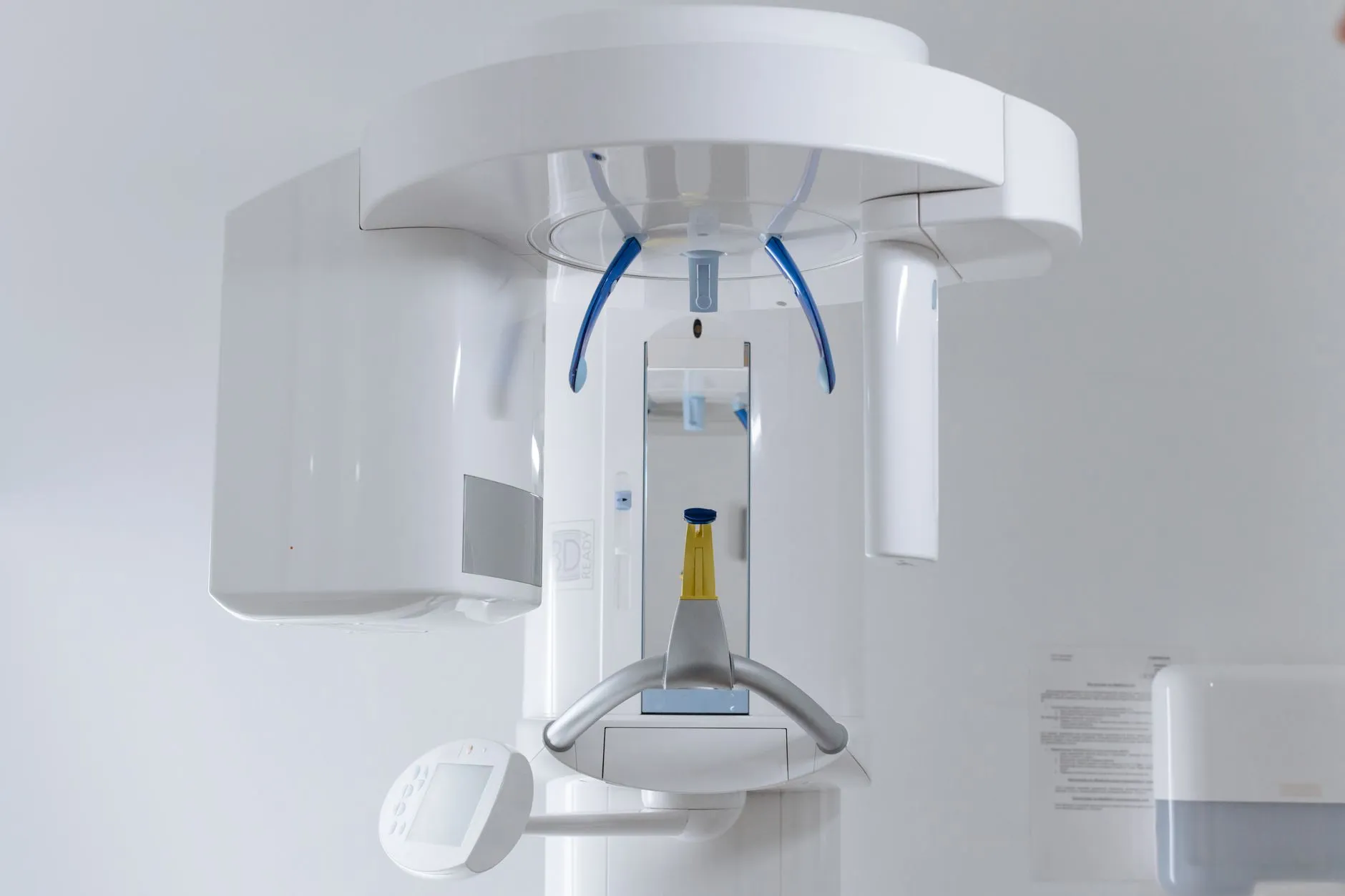
Photo: cottonbro studio / Pexels
Digital X-rays at our Round Rock office use a small electronic sensor instead of film, which generally means less radiation, images in seconds, and a clearer look at problems you can’t see in the mirror. If you’re booking a year-end exam, here’s what to know before you sit in the chair.
November is when many Round Rock families look at the calendar and realize the year is almost over. Between Thanksgiving plans and December travel, it’s also when people try to fit in a checkup before their dental benefits reset. If X-rays are part of your visit, you may wonder how they work, whether they’re safe, and why your dentist wants them at all. This guide walks through the basics in plain language.
How Digital X-Rays Work
Traditional dental X-rays used small pieces of film that had to be developed with chemicals before anyone could look at them. Digital X-rays replace that film with a thin electronic sensor connected to a computer.
What happens during the X-ray
- A team member gently places the sensor in your mouth, near the teeth being checked.
- The X-ray unit is positioned outside your cheek and sends a very brief beam.
- The sensor captures the image and sends it straight to a computer.
- The picture appears on screen within moments, with no waiting for film to develop.
Most people find the whole process quick and simple. If you have a strong gag reflex or a sensitive mouth, let us know so we can take things slowly.
Why the images are easier to read
Because the image is digital, your dentist can:
- Zoom in on a single tooth or a tiny area of concern
- Adjust brightness and contrast to see fine details
- Compare today’s images with earlier ones to spot changes over time
- Show you the image on a screen and explain what it means
That last point matters. Seeing your own X-ray makes it much easier to understand a recommendation, ask questions, and make decisions that feel right for you.
Why Digital X-Rays Use Less Radiation Than Film
Digital sensors are more sensitive to X-rays than traditional film. Because they need less energy to create a clear picture, the exposure time can be shorter, which generally means a lower dose of radiation for you.
There are a few other practical benefits:
- Fewer retakes for developing problems. There’s no film to over- or under-develop.
- Instant feedback. If a sensor is slightly out of position, the team can see it right away.
- Only what you need. Your dentist recommends X-rays based on your own history and risk, not a one-size-fits-all schedule.
Dental X-rays are already considered a low-dose type of imaging, and digital technology helps keep them that way. If you’re pregnant, think you might be, or have any concerns about radiation, tell our team before your images are taken. Your dentist can talk through your options and what makes sense for your situation.
What X-Rays Help Find Early
During an exam, your dentist can see the surfaces of your teeth and gums. An intraoral camera adds a close-up view of those surfaces. But many dental problems start where eyes and cameras can’t reach. X-rays can help reveal:
- Cavities between teeth, where neighboring teeth hide the decay from view
- Decay under existing fillings or crowns
- Changes around the root tips that may point to infection
- Bone levels that support your teeth
- Teeth that haven’t come in yet, including the position of wisdom teeth
- Developing teeth in children, which helps with family planning for future care
Finding something early often means a simpler fix. A small cavity spotted on an X-ray may only need a dental filling, while the same cavity left alone could grow and need more involved treatment later.
Of course, an X-ray is one piece of the puzzle. Only a complete exam can tell you what’s actually going on with your teeth, so if something feels off, the best next step is to come in and let us take a look.
What Dental Technology Round Rock Patients Can Expect at Their Exam
Digital X-rays are just one part of the tools we use at Chandler Creek Dental Care. Depending on your needs, your visit may also include:
- Intraoral cameras that show you close-up photos of your teeth on a screen
- CBCT 3D imaging when more detail is needed, such as when planning implants or evaluating a complex root canal case
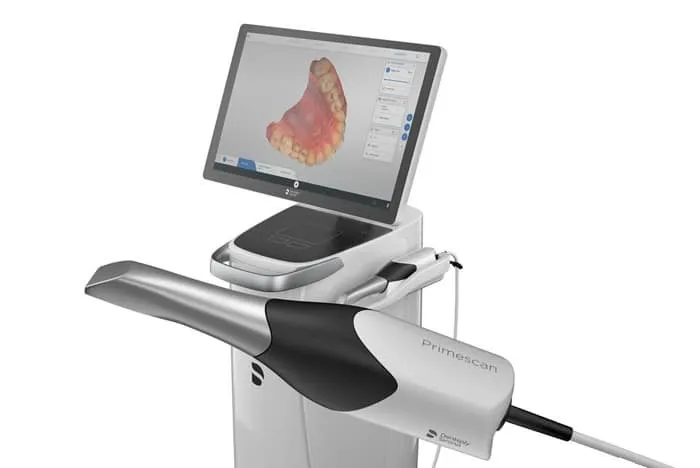
- Primescan digital impressions, which capture a 3D scan of your teeth without the goopy impression trays many people remember
These tools help our doctors plan care more precisely. Dr. Faiza Ali, our endodontist, uses detailed imaging to evaluate root canal concerns, and Dr. Jake H. Duong relies on 3D views when planning extractions and implants. You can learn more on our dental technology page.
For most routine checkups, digital X-rays are paired with a thorough dental exam and cleaning. That combination gives your dentist the clearest overall picture of your oral health.
How Often Do You Need Dental X-Rays?
There isn’t one schedule that fits everyone. Your dentist considers factors like:
- Your history of cavities or past dental work
- Whether you’re a new patient without recent images
- Symptoms such as pain, swelling or sensitivity
- Your age and whether teeth are still developing
Some patients need images more often, while others with a lower risk can go longer between them. If you have recent X-rays from another office, let us know, since they may help reduce the number of new images you need.
Why November Is a Smart Time to Schedule
Late fall is a practical time to get your exam and X-rays done:
- Benefits may reset soon. Many dental plans run on a calendar year. Check your plan, and visit our dental insurance page to see which plans we’re in network with, including Delta Dental, MetLife, Cigna, Aetna and UnitedHealthcare.
- Calendars fill up. Thanksgiving week and December travel can make appointments harder to find, so booking early gives you more choices.
- Peace of mind before the holidays. If an X-ray shows something that needs attention, you’ll have time to plan treatment instead of worrying about it during family gatherings.
Our office on N A W Grimes Blvd is an easy drive from Forest Creek, Teravista, Mesa Park, Georgetown, Hutto, Pflugerville and Cedar Park. If you’re looking for a trusted dentist in Round Rock for the whole family, we’d be glad to meet you.
No dental insurance? Ask about our $99 New Patient Special. It’s for patients without dental insurance and can’t be combined with other offers. We also have a membership plan and financing options through CareCredit, Sunbit, Alphaeon Credit, Proceed Finance and Cherry.
Book Your Year-End Exam in Round Rock
If it’s been a while since your last checkup, or you’d simply like a clearer picture of your oral health before the new year, we’re here to help. You can book online or call us at (512) 609-0066.
Our hours are Monday through Friday, 8:30 am to 3:30 pm, and 8:30 am to 2:00 pm on the 2nd and 4th Saturday of each month. We’re closed on Sundays. New to our office? Our new patients page explains what to expect at your first visit.
About the author
Dr. Jake H. Duong, DDS
Extractions, Implants & IV Sedation at Chandler Creek Dental Care, a dentist in Round Rock, TX. Bachelor’s degree and dental degree — The University of Alabama at Birmingham (UAB).