Preventive Care
How Modern Dental Technology Helps Round Rock Patients
See how dental technology in Round Rock—digital X-rays, intraoral cameras, 3D imaging and Primescan—makes exams faster, more comfortable and more precise.

By Dr. Jake H. Duong, DDS
· 6 min read
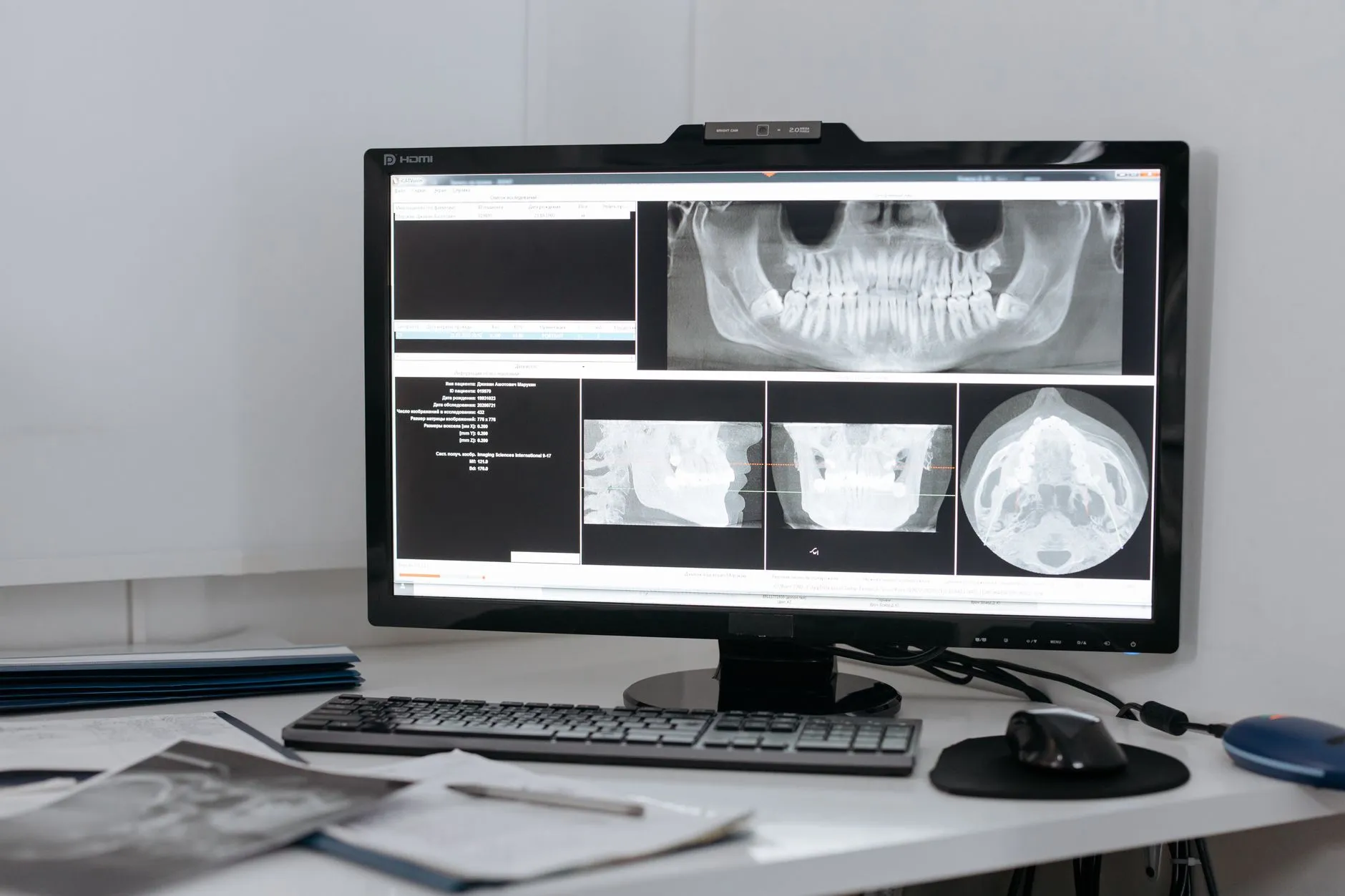
Photo: cottonbro studio / Pexels
Modern dental technology helps Round Rock patients get faster, more comfortable and more precise checkups, thanks to tools like digital X-rays, intraoral cameras, Primescan digital scans and CBCT 3D imaging. At Chandler Creek Dental Care in Round Rock, these tools help us spot small problems early and show you exactly what we see, so you can make confident decisions about your care.
October is National Dental Hygiene Month, and with fall routines settling in across Round Rock, Teravista and Forest Creek, it’s a natural time to think about your next checkup. If you’ve put off a visit because you remember uncomfortable impression trays or waiting around for film X-rays, a lot has changed. Here’s a friendly look at the tools you may see at your next appointment and why they matter.
Why Dental Hygiene Month Is a Great Time to Talk About Technology
Dental Hygiene Month is all about the habits that keep your smile healthy: brushing, flossing and regular professional care. Technology doesn’t replace those habits, but it makes the professional side of the equation more thorough.
When your dentist and hygienist can see your teeth more clearly, they can:
- Notice small changes before they become bigger, more involved repairs
- Explain what’s happening using pictures instead of technical terms
- Plan treatment more accurately when you do need it
- Keep visits efficient, which matters when you’re juggling school pickups and work in the fall
That combination of clear information and efficient care is what good dental technology Round Rock families can count on should look like. You can learn more about the specific tools we use on our Dental Technology page.
Digital X-Rays: Clear Pictures, Quick Results
X-rays let your dentist see what’s happening between teeth, below the gumline and inside the bone, areas that can’t be seen during a visual exam alone.
How digital X-rays are different
Instead of film that needs to be developed, digital X-rays use a small sensor that sends images straight to a computer screen. That means:
- Faster results. Images appear within moments, so there’s less waiting in the chair.
- Clearer detail. Images can be enlarged and adjusted on screen to look closely at a specific tooth.
- Less radiation. Digital X-rays generally use less radiation than traditional film X-rays.
- Easy comparisons. Your dentist can compare new images with previous ones to track changes over time.
Your dentist only recommends X-rays when they’re useful for your care, and how often you need them depends on your individual situation. If you’re pregnant or have concerns, just let our team know.
Intraoral Cameras: See What Your Dentist Sees
Have you ever been told you have a crack or worn filling and wondered what that actually looks like? An intraoral camera answers that question.
It’s a small, pen-sized camera that takes close-up photos inside your mouth. The images appear on a screen right next to your chair, so you can see:
- Worn or chipped areas on a tooth
- Older fillings that may be breaking down
- Plaque or tartar buildup in hard-to-reach spots
- Areas where your gums may need extra attention at home
For many patients, this is the most helpful part of a modern exam. Seeing the picture makes it much easier to understand your options and ask good questions. It also helps parents in Mesa Park, Hutto or Pflugerville show kids why brushing along the gumline matters.
Primescan Digital Scans: A More Comfortable Alternative to Messy Impressions
If you’ve ever had a crown, night guard or other restoration made, you might remember biting into a tray of thick, gooey impression material. For many treatments, a digital scan can take its place.
How it works
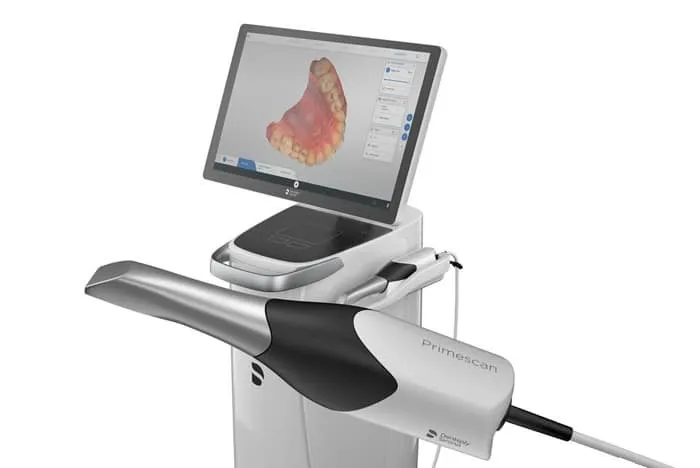
Primescan is a handheld intraoral scanner. Your dentist or assistant moves it gently around your teeth while it captures a detailed 3D digital model on screen. Benefits include:
- More comfort. No bulky trays or waiting for material to set, which is a big relief for anyone with a sensitive gag reflex.
- Precision. A detailed 3D model helps restorations like dental crowns fit accurately.
- Instant review. You can see the scan on screen, and if an area needs to be captured again, it can be rescanned quickly.
CBCT 3D Imaging for More Complex Care
Standard X-rays are two-dimensional. For some treatments, your dentist needs a fuller view. That’s where CBCT (cone beam computed tomography) imaging comes in.
CBCT creates a 3D image of your teeth, jawbone and surrounding structures. It isn’t needed for every visit, but it can be very helpful for:
- Dental implant planning. A 3D view helps evaluate bone and plan placement for dental implants.
- Root canal treatment. Our in-house endodontist, Dr. Faiza Ali, can use 3D images to better understand the shape of a tooth’s roots and canals.
- Extractions and complex cases. Seeing nearby structures in 3D helps with careful planning.
Having this imaging in our office means many patients don’t have to travel elsewhere for a scan.
What Technology Means for Your Next Checkup
So what does all of this look like during a regular visit? At a typical dental exam and cleaning, you can expect:
- A conversation about any concerns, sensitivity or changes you’ve noticed
- Digital X-rays when they’re due for you
- A thorough professional cleaning by your hygienist
- A dentist exam, often with intraoral camera photos shown on screen
- A clear explanation of what we found and any recommended next steps
If treatment is recommended, you’ll leave understanding why, because you’ll have seen it yourself. Our general dentistry team will walk you through your options without pressure, and of course, personal recommendations always come from an in-person exam.
How Technology Supports Your Home Hygiene Routine
In the spirit of Dental Hygiene Month, remember that the best technology still works hand in hand with your daily habits. Intraoral photos can actually make your home routine better by showing exactly where plaque tends to collect for you.
A few simple fall reminders:
- Brush twice a day for two minutes with a fluoride toothpaste
- Floss or use another between-teeth cleaner once a day
- Replace your toothbrush every few months or after being sick, which is handy to remember as cold and flu season arrives
- Sip water through the day, especially if you’re enjoying more coffee, cider or seasonal treats
- Keep regular checkups on your calendar before the busy holiday season
Book Your Fall Visit With Our Team
Whether you live near our office on N A W Grimes Blvd or drive in from Georgetown or Cedar Park, we’d love to show you how modern tools can make your visit easier. Chandler Creek Dental Care is a trusted dentist in Round Rock with a 4.9-star rating from 236 Google reviews.
We’re in-network with Delta Dental, MetLife, Cigna, Aetna and UnitedHealthcare, and we offer financing options and a membership plan. For patients without dental insurance, our New Patient Special is $99 (cannot be combined with other offers). Visit our new patients page for details.
Our hours:
- Monday – Friday: 8:30 am – 3:30 pm
- 2nd & 4th Saturday of each month: 8:30 am – 2:00 pm
- Sunday: Closed
Book online anytime or call us at (512) 609-0066. You can also reach us through our contact page. We look forward to seeing you this fall!
About the author
Dr. Jake H. Duong, DDS
Extractions, Implants & IV Sedation at Chandler Creek Dental Care, a dentist in Round Rock, TX. Bachelor’s degree and dental degree — The University of Alabama at Birmingham (UAB).